The Bicycle and the Chair
How Breuer's observation of a handlebar changed furniture forever
Material Logic1925 · 8 min read
Each joint is brazed by hand. Each curve is calculated to the millimeter. The workshop produces furniture for interior architects furnishing mid-century restorations, for design collectors hunting production-numbered originals, and for university departments outfitting studios where students will learn by sitting in the canon.
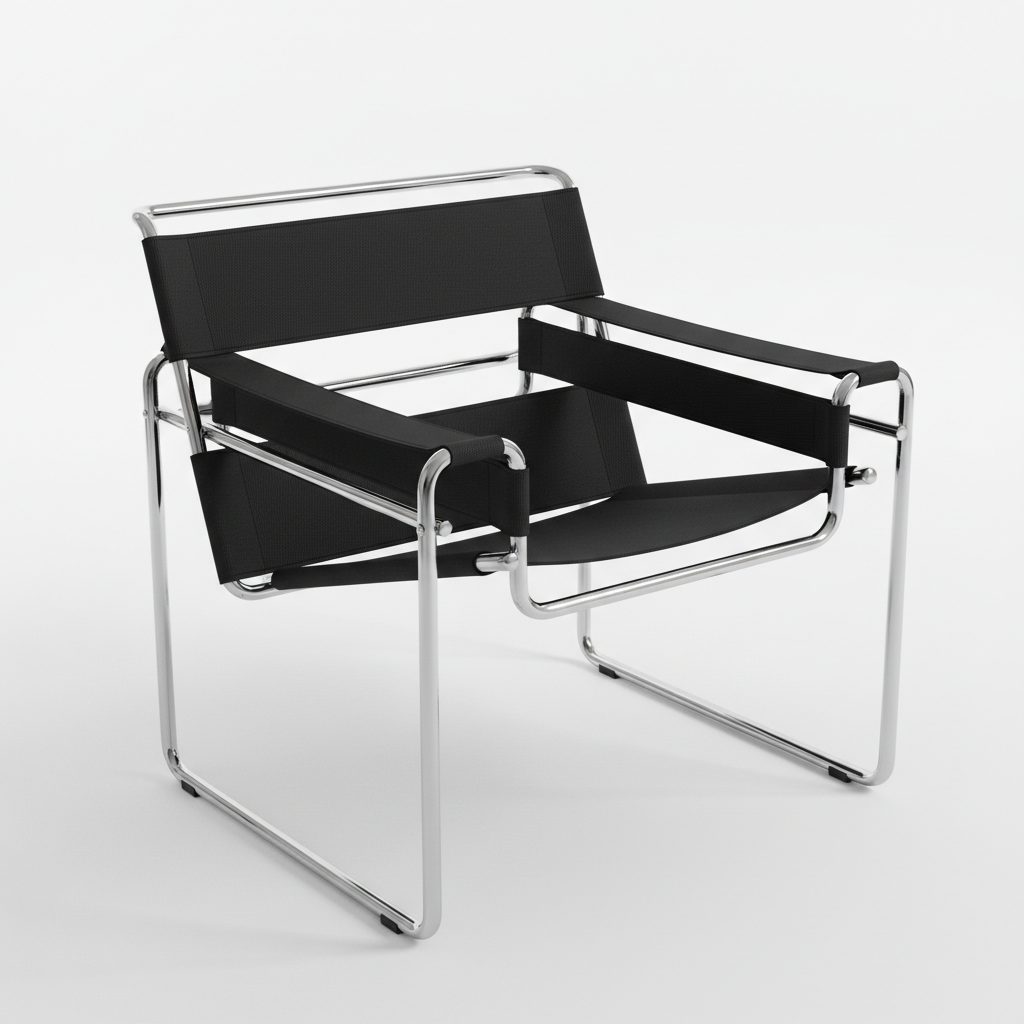
The first chair to strip the object to its mechanical logic. Breuer observed the bicycle handlebar — the tube as structural member, not skin. The canvas planes float independent of the frame, each held by a single bolt. Nothing decorates. Everything works.
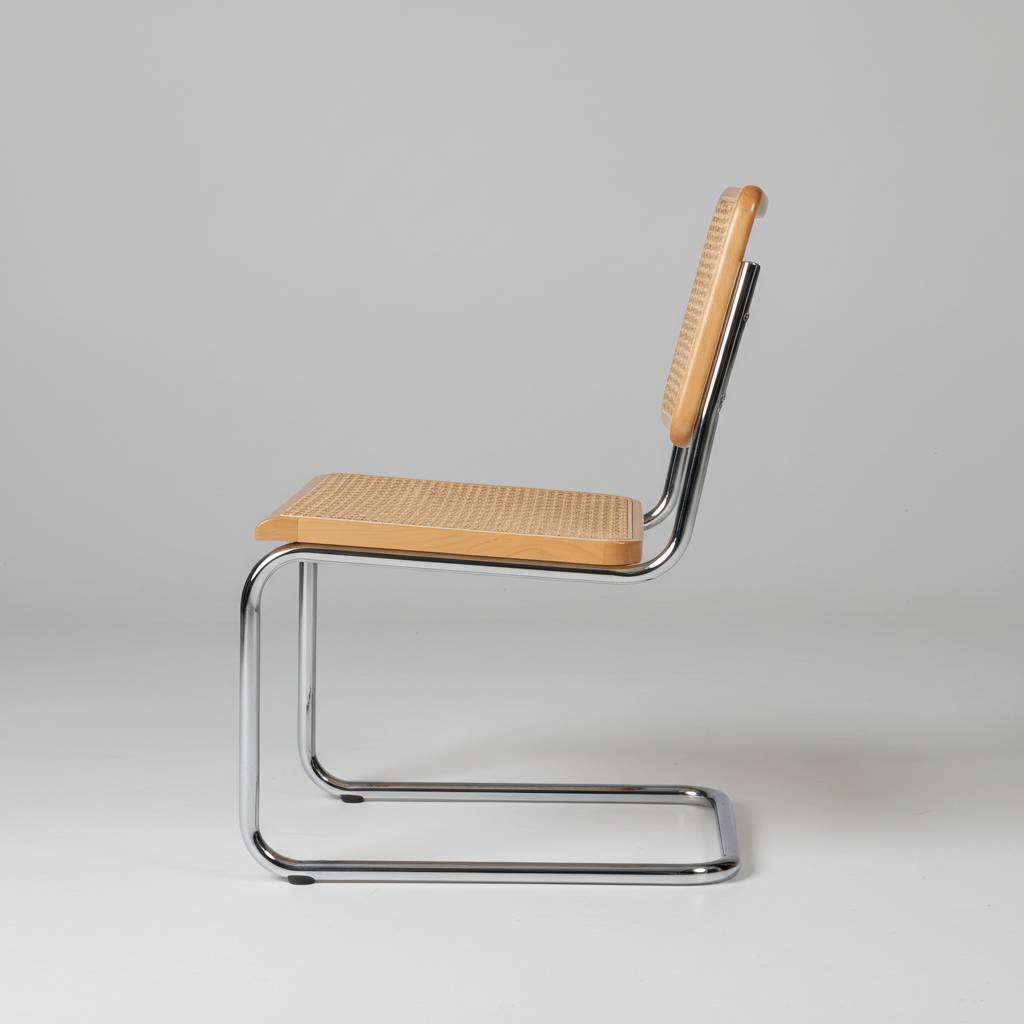
Mies removed the rear legs and trusted the spring of steel. The chair is a continuous loop of tube from floor to back; the sitter is suspended in the curve's memory. Cane weave acknowledges the hand that made it. Chrome acknowledges the age that dreamed it.
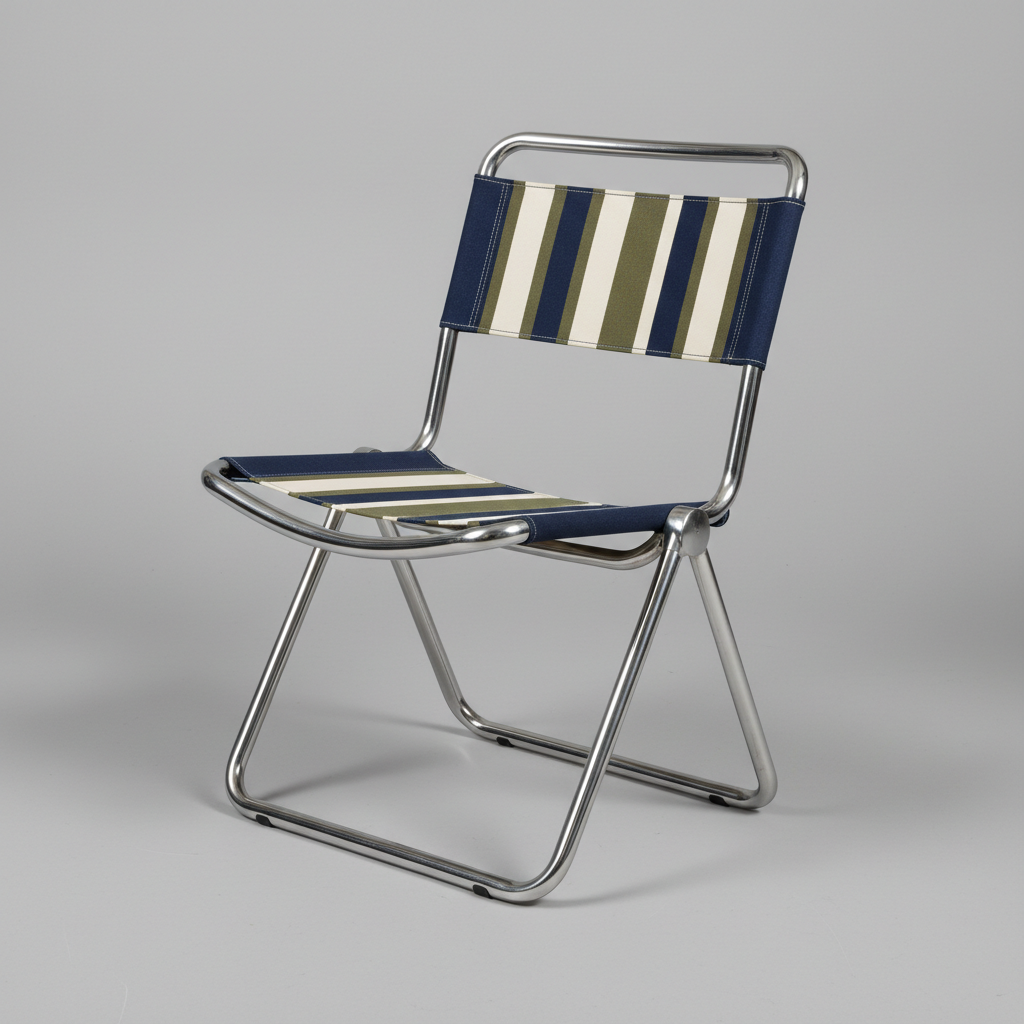
The folding chair as manifesto: the object that earns its place by disappearing when not needed. Four tubes, two pivots, one canvas. The geometry of the open position is identical to the geometry of the closed — the chair is the same object in two states of time.
Each node is a year. Bauhaus red marks Gestalt events. Click to enter the room.
Breuer's bicycle handlebar insight yields the B3. Gestalt produces the first workshop edition: 60 chairs, each joint brazed by hand, each canvas panel cut to within half a millimeter. Numbered in ink.
Seventy-two pages. Every production-numbered piece. Technical drawings at 1:10 scale. Material specifications, provenance chain, edition status. Printed on 160gsm uncoated stock. This is not a brochure — it is a record.
Not ready? The design essays are free, ungated, and written to be read slowly.
Read the design essaysSix texts on the structural, material, and philosophical logic of tubular steel furniture. Written for architects, collectors, and anyone who sits slowly.
How Breuer's observation of a handlebar changed furniture forever
The structural argument for the cantilever, from Mies to Mart Stam
The D4 and the politics of the portable object in Weimar Germany
The ethics of industrial finish in the Bauhaus workshop
Steel's structural memory and why furniture made from it does not age
On limited editions, authenticity, and the collector's responsibility